
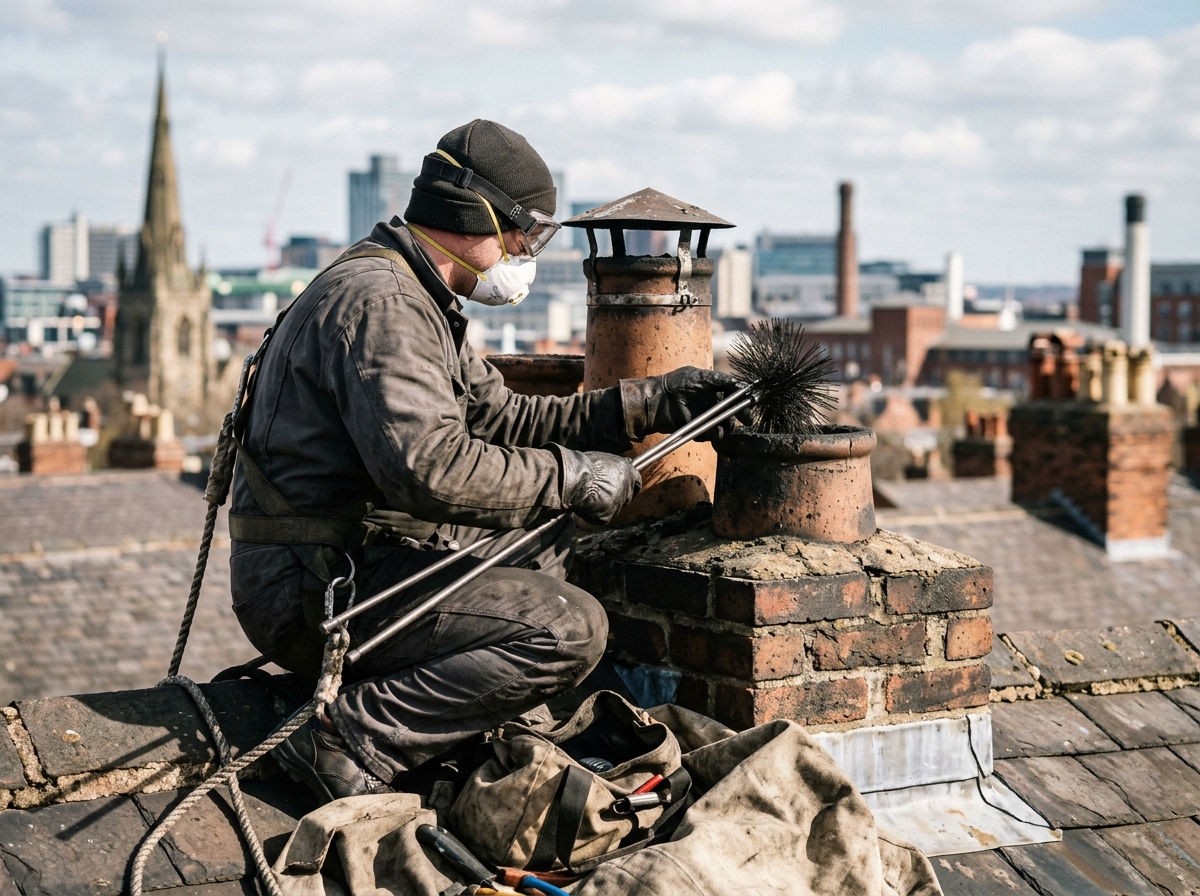
Chimney Protection in Birmingham, MI: A Complete Guide
Your chimney is one of the hardest working features of your home, especially during Michigan's long winters. Yet many homeowners overlook one critical aspect of chimney maintenance: Protection. Without proper safeguards, your chimney becomes vulnerable to water damage, animal intrusion, creosote buildup, and deterioration that can cost thousands to repair. Chimney Protection isn't just about keeping your fireplace functional. It's about preserving your home's structural integrity, improving energy efficiency, and ensuring your family's safety. This guide covers everything you need to know about chimney Protection in Birmingham and the surrounding areas of Oakland, Macomb, and Wayne counties.
What is Chimney Protection and Why It Matters
Chimney Protection refers to a range of preventative measures designed to keep your chimney system safe from external threats and internal damage. In Birmingham and Southeast Michigan, where we experience heavy snow, rain, and temperature fluctuations, Protection becomes even more critical.
A well-protected chimney prevents:
- Water infiltration that causes rust, deterioration, and structural damage
- Animal entry, including birds, raccoons, squirrels, and other wildlife
- Debris accumulation that blocks airflow
- Freeze-thaw cycles that crack masonry and mortar
- Excessive creosote buildup that increases fire risk
- Energy loss from uncapped chimneys
The good news is that Protection is affordable, often costing far less than repairing water damage or replacing a damaged chimney liner.
Chimney Caps: Your First Line of Defense
A chimney cap is the most fundamental Protection tool. This metal or stainless steel covering sits atop your chimney opening and serves multiple purposes.
A quality chimney cap prevents rain from falling directly into your flue while allowing smoke and gases to escape freely. It also blocks animals from entering your chimney, which is particularly important in Michigan where raccoons, squirrels, and birds frequently seek shelter in chimneys during winter months.
When choosing a cap, look for:
- Stainless steel or copper construction (more durable than galvanized steel)
- Proper sizing to fit your specific chimney dimensions
- Multiple spark arrestor screens to prevent embers from escaping
- Adequate ventilation design that doesn't restrict airflow
- Professional installation to ensure secure mounting
Many homeowners don't realize their chimney lacks a cap until water damage appears inside their home. If you're unsure whether your chimney has a cap or if yours is damaged, a professional Inspection-birmingham) can determine your Protection needs.
Chimney Liners: Internal Protection
A chimney liner is equally important, though many homeowners never see it. This protective tube runs inside your chimney and provides a critical barrier between hot gases and your home's structure.
Over time, liners crack, separate, or deteriorate, especially in older Birmingham homes. A damaged liner allows dangerous gases like carbon monoxide to seep into your living spaces. It also permits water and creosote to damage the surrounding masonry.
Modern chimney liners come in several materials:
- Clay tile (traditional but prone to cracking)
- Metal (flexible and durable)
- Ceramic (excellent heat resistance)
If your chimney is older or shows signs of damage, chimney Reinforcement-birmingham) or liner replacement may be necessary. A professional Inspection using video technology can reveal liner damage invisible to the naked eye.
Chimney Flashing and Sealing
Where your chimney meets your roof is a critical vulnerability point. Flashing, the metal seal installed around the chimney base, prevents water from running down into your walls and attic.
Flashing failures are among the most common sources of chimney-related water damage in Birmingham homes. Ice dams, heavy snow, and freeze-thaw cycles can compromise flashing integrity over time.
Proper flashing Protection includes:
- Quality materials (copper or stainless steel last longest)
- Correct installation with appropriate slope for water drainage
- Regular Inspection and maintenance
- Caulking and sealing that's checked annually
During winter months in Michigan, check your attic after heavy rains or snowmelt to spot any water infiltration early.
Chimney Crowns and Mortar Protection
The chimney crown, the concrete or stone cap that covers the top of your chimney structure, protects the masonry from direct water exposure. Many homes have inadequate crowns or none at all.
A properly installed crown should:
- Extend at least 1.5 inches beyond the chimney on all sides
- Slope away from the flue opening for drainage
- Have a drip edge to direct water away from the chimney face
- Be made of durable materials that resist freeze-thaw damage
The mortar between your chimney bricks also needs Protection. In Michigan's climate, water penetrates mortar joints, freezes, expands, and cracks the mortar. This process, called spalling, can weaken your entire chimney structure. Repointing, or replacing damaged mortar, is a key Protection strategy.
Video Camera Inspections for Complete Protection Assessment
You can't protect what you can't see. This is why Video Camera [Inspections](/guides/video-camera-Inspections-birmingham) have become essential for comprehensive chimney Protection.
A video Inspection allows technicians to examine:
- The interior chimney liner for cracks or separation
- Blockages from creosote, debris, or animal nests
- The condition of flashing and crown from inside
- Dampers and their operational status
- Areas inaccessible to visual Inspection
For homeowners in Birmingham, Beverly Hills, Bloomfield Township, and surrounding areas, a video Inspection provides peace of mind and identifies Protection needs before they become expensive problems.
Seasonal Protection Considerations in Michigan
Southeast Michigan's climate demands year-round Protection strategies.
Winter preparation should include chimney cap Inspection, flashing checks, and clearing any debris. Spring is ideal for assessing water damage from snowmelt. Summer provides a good window for repairs before fall heating season. Fall requires thorough Cleaning-birmingham) to remove creosote and debris before you light fires.
Each season presents different risks, and a comprehensive Protection plan addresses all of them.
Why Professional Protection Services Matter
While some homeowners attempt DIY chimney Protection, professional installation ensures:
- Correct sizing and fitting of caps, liners, and crowns
- Compliance with building codes and fire safety standards
- Proper sealing and waterproofing
- Warranty coverage on materials and workmanship
- Identification of problems you might miss
Santa's Chimney Sweeps serves Birmingham, Beverly Hills, Bloomfield Township, Bloomfield Hills, West Bloomfield, Detroit, Rochester Hills, Troy, Grosse Pointe, and throughout Oakland, Macomb, and Wayne counties. Our technicians understand the specific Protection challenges Michigan homeowners face.
Chimney Protection isn't optional or something to delay. The small investment in Protection today prevents catastrophic damage and expensive repairs tomorrow. Whether you need a new chimney cap, liner assessment, flashing repair, or comprehensive Protection planning, professional guidance makes all the difference. If you're unsure about your chimney's Protection level, start with a professional Inspection. Santa's Chimney Sweeps can assess your specific situation and recommend the right Protection solutions for your Birmingham-area home. Don't let water, animals, or weather damage compromise your chimney. Protect it now.